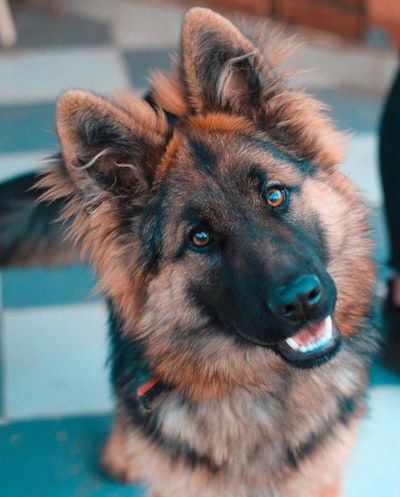
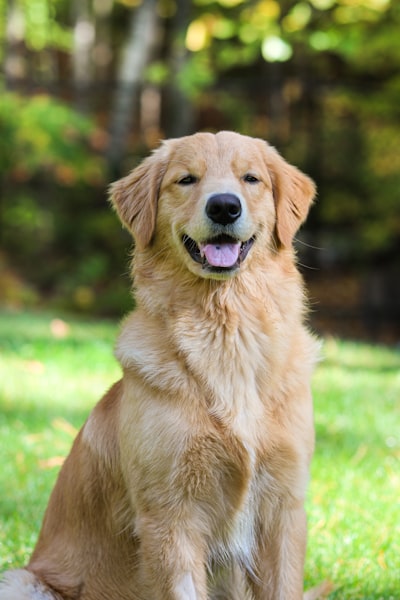
If your dog is still scratching after everything you've tried — this is for you.
You've done everything right.
The vet visits. The Apoquel. The Cytopoint injections. The $90-a-bag prescription food your dog barely touches. The elimination diets that took months and changed nothing. The medicated baths that helped for a day.
You've spent thousands of dollars. Maybe more than you've told anyone.
And your dog is still scratching.
Still chewing at their paws. Still waking you up at night with that wet, desperate gnawing sound. Still losing fur in patches you try not to look at.
If that's you — I need you to know something: It's not your fault. And it's not your dog's fault, either.
The problem isn't that you haven't tried hard enough. The problem is that everything you've been given was designed to manage symptoms — not fix what's actually broken.
My name is Dr. Sarah Keller. I'm a board-certified veterinary dermatologist with 19 years of clinical experience. I've treated over 4,000 dogs with chronic skin allergies.
And until 14 months ago, I was part of the problem.
The Night My Own Dog Made Me Question Everything

For 19 years, I wrote prescriptions for Apoquel like it was gospel. Apoquel first. Cytopoint when the Apoquel faded. Prednisone for bad flare-ups. Elimination diets. Medicated baths. Allergy panels.
The drugs worked — at first. And that was enough to keep me writing scripts.
Then my own dog got sick.
Benny is an English bulldog. My daughter Lily's dog. The itching started around 14 months — a little scratching here and there. By 18 months it was constant. He was gnawing at his armpits until the skin was raw and weeping. Red, angry patches spreading from his belly to the insides of his legs.
I put him on Apoquel. The same drug I'd been prescribing hundreds of times a month. It worked beautifully — for about a year and a half.
Then the scratching crept back. I increased the dose. Three months of relief. Then nothing. I switched to Cytopoint. First injection was a miracle. Second barely worked. By the third we were back to square one.
I remember the night it broke me.
Thursday. Around 2 AM. I heard Benny in Lily's room — that wet, desperate chewing sound. I walked in and turned on the light. He was on her bed, hunched over, gnawing at his belly. There was blood on her white comforter. His skin wasn't pink — it was torn open.
He looked up at me with this expression that wasn't pain. It was exhaustion. He was so tired of being itchy that he'd torn himself open trying to make it stop.
And Lily was sleeping right through it because she'd gotten used to the sound.
"I spent 3 years watching my pit bull Tank destroy himself. Hot spots, bald patches, ear infections every month. Close to $300 a month on Apoquel alone. Then I tried this protocol and within two weeks he wasn't chewing his paws anymore. By week 4 his fur was growing back."
I'm a board-certified veterinary dermatologist. I have plaques on my wall. Publications with my name on them.
And I was standing in my daughter's bedroom at 2 AM, looking at my own dog bleeding on her bed, and I had nothing left to try.
That night, something inside me snapped.
The experts weren't any better:
- My own colleague — a veterinary dermatologist: $800 allergy panel. Benny was allergic to 23 out of 30 things tested. Recommendation? Immunotherapy. Another $325 every four months, takes a year to see results, works in maybe 60% of cases.
- Three rounds of elimination diets: Nine months. $540 in prescription food Benny refused to eat. He lost weight. Still scratching.
- Cytopoint injections: $300 per shot. First one was magic. Second lasted three weeks instead of six. Third — couldn't tell the difference. Three shots, $900, back to square one.
I wasn't going to keep funneling money into a system that needed Benny to stay sick.
I went to war with everything I thought I knew about dog skin allergies.
What I Found Made Me Furious

For three months, I lived like a woman possessed. Clinical dermatology journals sitting unread in my office. Collagen degradation studies from research teams in Japan and Germany. Wound-healing literature from human burn centers that had implications nobody in veterinary medicine was talking about.
And what I found changed how I practice medicine.
The vast majority of chronic scratching isn't caused by the allergen itself — it's caused by a damaged skin barrier that lets allergens in.
It's not about blocking the itch signal. It's not about suppressing the immune system. It's not about eliminating foods one by one for nine months.
The real cause is something so fundamental, so obvious, that the moment I understood it, I couldn't believe no one had connected the dots for me in 19 years of practice.
The Real Root Cause: Your Dog's Skin Barrier Is Broken

Picture your dog's skin as a wall. Not a metaphor — a physical wall, made of tightly woven protein fibers. When that wall is intact, stuff stays out. Bacteria. Yeast. Pollen. Dust mites. All the things that trigger inflammation — they bounce off.
Now here's what happens.
Your dog scratches. Maybe it was a flea bite. Maybe pollen landed on his belly. Doesn't matter what started it. He scratches, and every time he does, his nails tear tiny rips in that wall. Microscopic tears you can't see. But now there are gaps.
Bacteria gets in. Yeast gets in. Allergens that were sitting on the surface slide right through. And that causes real inflammation. Redness. Swelling. Heat. And what does inflammation do? It itches worse.
So your dog scratches more. Harder. Longer. Tearing more skin. Creating more openings. Letting more stuff in.
Here's the critical part that most treatments miss:
Apoquel slows the scratching. That's its job — it blocks the itch signal so your dog scratches less. But the skin underneath? Still full of gaps. Still broken. The wall is still torn open. That's why it eventually stops working.
"You've been putting a muzzle on a dog in a burning house. You stopped the barking. But the house is still on fire."
It's not that your vet is doing something wrong. It's that the standard protocol simply wasn't designed to repair the damage. Apoquel manages the itch. Cytopoint suppresses the inflammation. But nothing in the standard toolkit actually rebuilds the barrier that broke down in the first place.
And you can't patent rebuilding skin. You can't bill $300 a shot for it. There's no recurring monthly prescription for something that actually ends.
That's not a conspiracy. It's just how the system evolved. The incentives reward management, not resolution. And that's why most dogs stay on medication for life.
"Three years of Cytopoint shots, elimination diets, medicated baths — nothing worked long-term. About 20 days in I woke up thinking 'her licking didn't wake me up last night… she's still asleep!' Her coat is thicker and the yeasty ear smell is completely gone."
The 3-Part Protocol That Actually Rebuilds Dog Skin

Remember Benny on that blood-stained comforter?
Six weeks after I started the protocol, Lily sent me a photo during school: "Mom look at Benny's tummy!!!" Fur was growing back in the bald patches. New growth — soft, thin, but there.
To support chronic allergy-damaged skin, you need three things working together:
1. Multi-Type Collagen — rebuilds the torn fibers. Type I repairs the structural damage. Type II supports calming the inflammation underneath. Type III supports new tissue growth.
2. Hyaluronic Acid — seals the rebuilt skin. Acts like grout between tiles — fills the spaces, locks moisture in, keeps skin hydrated and elastic so it doesn't crack open again.
3. Glucosamine — reinforces the structure. It's the rebar inside the wall. Strengthens the rebuilt skin so it can resist the next scratch, the next allergen exposure.
Miss even one of these three, and the protocol is incomplete. That's why most supplements fall short:
- Generic collagen chews from Amazon? Usually one type of collagen. No hyaluronic acid. No glucosamine. You're patching drywall with newspaper.
- Fish oil supplements? Zero collagen. Zero hyaluronic acid. You're moisturizing a wall that's still full of holes.
- Apoquel? Doesn't rebuild anything. Just tells your dog's brain to stop scratching while the skin stays broken underneath.
The Product I Built for Benny

That product is Bloom Triple Collagen.
It's the exact three-part protocol I developed for Benny — all three components working together, every day:
✓ Cold-Pressed Collagen (three types) — to rebuild the torn skin barrier fibers
✓ Hyaluronic Acid — to seal it shut and lock moisture in
✓ Glucosamine — to keep it structurally reinforced from the inside
And it's liquid. Not chews. Not biscuits. Not soft chews that go through heat processing that can damage collagen integrity. Cold-pressed liquid that absorbs significantly faster than heated alternatives.
One pump on their food. That's it. No wrestling your dog into a bathtub. No hiding pills in cheese.
Here's What to Expect When You Start

Week 1: You likely won't see much on the outside. That's normal. Underneath, the collagen is getting to work — supporting repair of the microscopic tears. What you might notice: your dog seems slightly less frantic. The scratching episodes may be a little shorter.
Weeks 2-3: This is when most owners notice a shift. The scratching slows down. The raw patches stop spreading. The redness starts to fade. Many owners tell us about a morning when they wake up and realize it's quiet. No chewing. No scratching. Just a dog sleeping comfortably.
Month 2: Fur growing back in the bald patches. New growth — soft at first, then thicker. The hot spots are clearing. The yeasty ear smell is fading. Your dog is playing again. Rolling in the grass and coming inside without scratching for an hour afterward.
"Our goldendoodle Biscuit was losing his fur in patches. The room where he slept had blood on the walls from him shaking his ears. We were spending $200 a month on prescriptions. Within 2-3 weeks I noticed a huge improvement. His hair has returned and we've been able to completely eliminate his medications."
Let's Talk About What You've Already Spent
You know these numbers better than anyone:
- Apoquel: $130 to $200 a month
- Cytopoint: $300 per shot, every 4-6 weeks
- Vet visits for flare-ups: $200 each
- Many owners tell us they've spent $5,000 to $15,000+ over their dog's lifetime
Bloom Triple Collagen costs under a dollar a day.
That's less than a single Apoquel pill. Less than the gas to drive to the vet for another refill appointment.
Choose Your Supply
The 90-Day "Itch-Free" Guarantee

I know you've been burned before. You've spent money on things that didn't work, and the last thing you need is another disappointment.
So here's my promise:
Try Bloom for 90 days. Not 30. Not 60. Ninety. Because rebuilding torn skin takes time — this isn't a drug that masks a symptom in 24 hours.
If at any point you're not seeing results — email the team. They send you a return label. Your refund hits within 48 hours. No questionnaire. No runaround.
I'm confident because the vast majority of dogs that start Bloom stay on it. The return rate is remarkably low — most returns come from the rare picky eater who objects to anything touching their kibble.
"I have two English bulldogs. Between the two of them I was spending over $400 a month on Apoquel, Cytopoint, prescription food, and medicated shampoo. Started both on Bloom. Within two months they stopped scratching, the redness cleared, and their fur started growing back. The only thing that has worked after trying literally everything else."
Frequently Asked Questions
Your Dog Can't Order This for Themselves

Every day that passes is another day your dog is trapped in the itch-scratch cycle. Another night of scratching. Another morning cleaning up the mess. Another month on medications that stop working.
The skin barrier doesn't pause the damage while you think about it.
Under a dollar a day. 90 days to see it work. Every penny back if it doesn't.
One pump on their food. Within 2-3 weeks, when the scratching starts to slow down — you'll know.
Your dog can't wait. Neither should you.
With respect and hope,
Dr. Sarah Keller, DVM
Creator, Bloom Triple Collagen Protocol
Board-Certified Veterinary Dermatologist
P.S. — Benny is a different dog now. He rolls in the grass and flops on the couch. No scratching. No hot spots. No yeasty ears. Lily doesn't sleep through the chewing sound anymore — because there is no chewing sound. She just sleeps. And so does he. If you're reading this at 2 AM because your dog woke you up scratching — I've been exactly where you are. It doesn't have to stay this way.